
Enrichment audits
Delivering any enrichment audits requires careful planning and effective communication to ensure a comprehensive assessment and successful implementation of recommendations
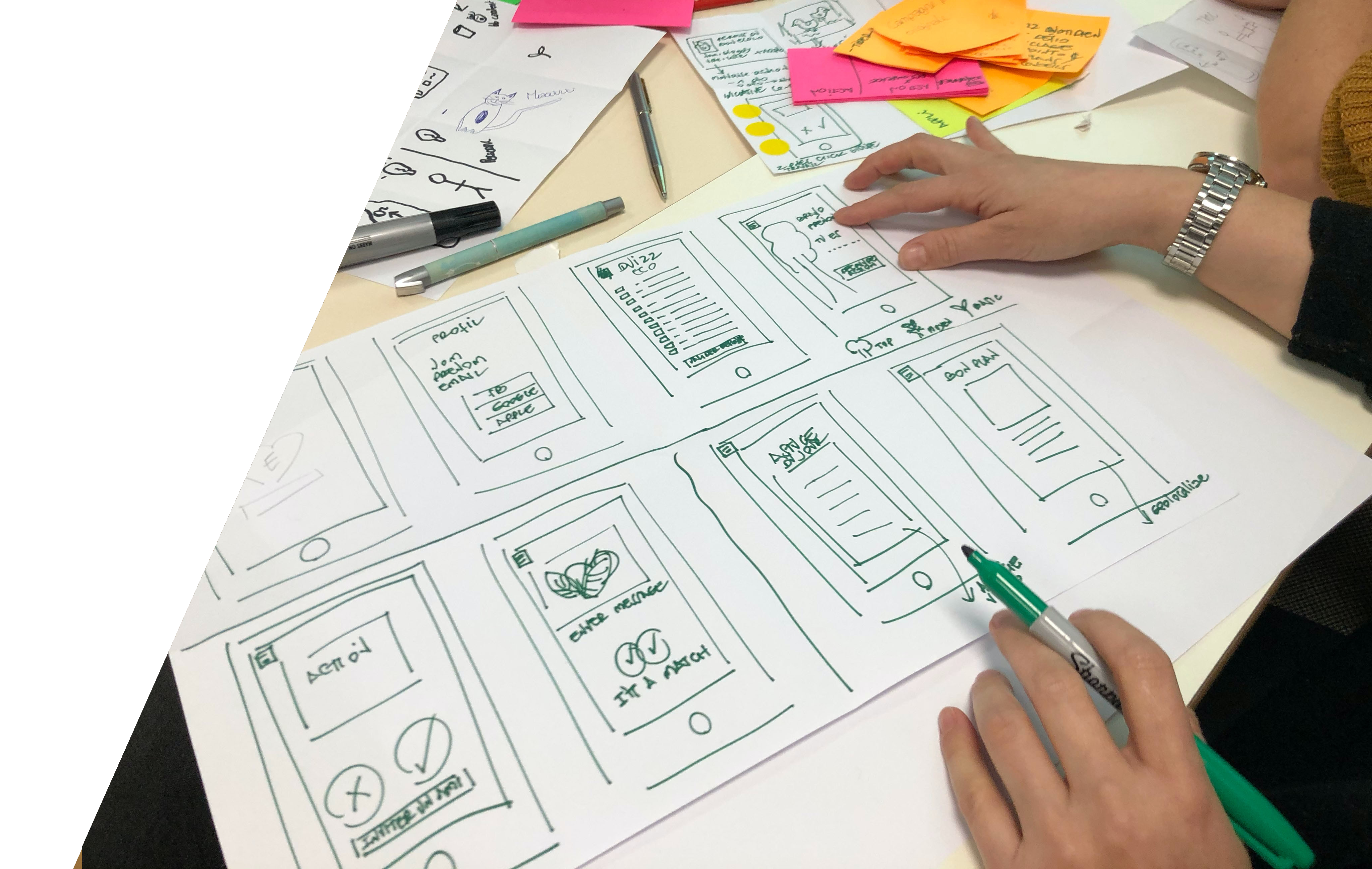
Enrichment audits can lead to providing learning experiences and interventions that match students to the their learning objectives, background, cultural context, and interests.
Actualise Learning creates a variety of enrichment audits on a number of areas, which include -
- Planning and Preparation: a. Define the objectives and scope of the enrichment audit. Determine the specific areas to evaluate, such as curriculum integration, extracurricular activities, resources, partnerships, and student engagement. b. Form an audit team consisting of educators, administrators, and external experts if necessary. Assign roles and responsibilities to team members based on their expertise and areas of focus. c. Develop an audit plan that includes a timeline, data collection methods, evaluation criteria, and a clear communication strategy.
- Data Collection: a. Gather relevant data and documentation related to enrichment programs. This can include curriculum documents, extracurricular activity schedules, resource inventories, partnership agreements, and student feedback. b. Conduct surveys or interviews with teachers, administrators, students, and parents to gather their insights and perceptions regarding the current state of enrichment programs. c. Observe enrichment activities in classrooms and extracurricular settings to assess their implementation, effectiveness, and student engagement. Take detailed notes and record observations for reference.
- Data Analysis: a. Review and analyse the collected data systematically. Identify patterns, strengths, weaknesses, and areas for improvement. b. Compare the school's enrichment programs to best practices, industry standards, and relevant research literature. c. Draw conclusions based on the analysis and identify key findings and recommendations. Ensure that your recommendations are specific, actionable, and aligned with the school's goals and available resources.

- Report Writing: a. Structure your audit report in a logical and organized manner. Include an executive summary that highlights the main findings and recommendations. b. Present the findings for each aspect of the audit, providing supporting evidence and examples where necessary. c. Clearly articulate the recommendations, explaining their importance and outlining steps for implementation. Include realistic timelines, responsible parties, and potential resources required. d. Use visual aids such as charts, graphs, and tables to present data effectively and enhance understanding. e. Ensure that the report is well-written, concise, and accessible to various stakeholders, including the school administration, teachers, parents, and relevant community partners.
- Presentation and Discussion: a. Schedule a meeting with the school administration and relevant stakeholders to present the audit findings and recommendations. b. Provide an overview of the audit process, objectives, and methodologies used. c. Present the key findings and recommendations, allowing for discussion, questions, and feedback from the participants. d. Emphasize the collaborative nature of the audit and the importance of collective efforts in implementing the recommendations.
- Follow-up and Implementation: a. Provide the school with a copy of the final audit report for reference and planning purposes. b. Offer support and guidance to the school in implementing the recommendations, if needed. This may include workshops, training sessions, or resource sharing. c. Establish a mechanism to monitor the progress of implementation and provide ongoing support and assistance as required. d. Periodically assess the enrichment programs to track improvements and make further adjustments if necessary.


The considerations we often work on with teachers include:
- Objectives and Scope: Define clear objectives for the enrichment audit. Determine the specific areas of focus, such as curriculum integration, extracurricular activities, resources, partnerships, and student engagement. Establish the scope of the audit to ensure it is feasible and manageable within the given time and resources.
- Stakeholder Involvement: Engage key stakeholders throughout the audit process. This includes school administrators, teachers, students, parents, and relevant community partners. Seek their input, perspectives, and feedback to gain a holistic understanding of the enrichment programs and their impact.
- Data Collection Methods: Choose appropriate data collection methods to gather relevant information. This may include surveys, interviews, focus groups, observations, and document reviews. Utilize a combination of quantitative and qualitative data collection techniques to obtain a comprehensive view of the enrichment programs.
- Evaluation Criteria: Establish clear evaluation criteria to assess the effectiveness and quality of enrichment programs. These criteria should align with the goals and objectives of the school and reflect best practices in enrichment education. Consider factors such as student outcomes, engagement levels, inclusivity, resource utilization, and community impact.
- Benchmarking and Best Practices: Compare the school’s enrichment programs with industry standards, best practices, and relevant research. Benchmarking against other schools or recognized enrichment programs can provide valuable insights and ideas for improvement.
7. Equity and Inclusion: Consider equity and inclusion in the audit process. Evaluate how enrichment opportunities are provided to students from diverse backgrounds, including those with different abilities, socioeconomic status, or cultural backgrounds. Assess whether there are barriers to access and participation and recommend strategies for promoting equity and inclusivity.
8. Collaboration and Partnerships: Assess the school’s collaboration with external partners, such as community organizations, businesses, or professionals. Evaluate the effectiveness of existing partnerships and identify opportunities for new collaborations to enhance enrichment opportunities for students.
9. Recommendations and Implementation: Provide specific, actionable, and realistic recommendations based on the audit findings. Tailor the recommendations to the school’s goals, resources, and context. Consider providing a timeline, responsible parties, and potential resources required for implementation. Ensure that the recommendations address the identified areas for improvement and align with the school’s vision and strategic priorities.
10. Communication and Engagement: Develop a clear and effective communication strategy to present the audit findings and recommendations to relevant stakeholders. Engage in dialogue and discussion to foster understanding, address concerns, and gather input. Maintain open lines of communication throughout the audit process and beyond to promote transparency and collaboration.
By considering these aspects, we can conduct a comprehensive enrichment audit in a primary or secondary school that leads to valuable insights and actionable recommendations for enhancing the school’s enrichment programmes.
Here’s what
this could look like in your school -
The purpose of this audit was to assess the effectiveness of existing enrichment programs and identify areas for improvement.
Our team of experts spent four weeks evaluating various aspects related to enrichment at your school.
We appreciate the cooperation and support extended by the school administration and staff throughout the audit process.
Overview: The enrichment audit aimed to evaluate the integration of enrichment activities within the curriculum, the range and quality of extracurricular offerings, the availability and suitability of resources, the extent of community partnerships, and the level of student engagement.
a.Findings: Curriculum Integration: The audit revealed that Sunshine Primary School has made commendable efforts to integrate enrichment activities into the curriculum. Enrichment activities were observed in subjects such as science, art, and physical education. However, there is an opportunity to further expand enrichment integration across all subject areas, particularly in mathematics and language arts.
b. Extracurricular Activities: The school provides a diverse range of extracurricular activities, including sports, music, drama, and environmental clubs. These activities contribute positively to students' holistic development. However, the audit identified a need to expand the variety of offerings to cater to a broader range of student interests and talents. Exploring new clubs or activities such as coding, robotics, or creative writing could enhance student engagement.
c. Resources: Sunshine Primary School possesses a satisfactory range of resources to support enrichment activities. The audit team observed well-equipped science laboratories, an art studio, and a library with an adequate collection of books. However, there is a recommendation to regularly update and diversify the available resources to align with evolving educational trends and student interests. Introducing educational technology tools and supplementary materials would enrich the students' learning experiences.
d. Community Partnerships: The school has established several fruitful partnerships with local organisations, including the local museum and the community library. These partnerships provide valuable opportunities for students to engage with the broader community and access additional resources. However, there is potential for further strengthening these partnerships and exploring new collaborations. Encouraging guest speakers, organizing field trips, and engaging professionals from various industries would enhance the enrichment offerings.
e. Student Engagement: Overall, the audit found that students actively participate in enrichment activities at Sunshine Primary School. The extracurricular clubs and activities have high student involvement and enthusiasm. However, to ensure equitable participation, it is recommended to develop strategies that support students from diverse backgrounds, including those with financial constraints or special needs. Implementing a scholarship or financial assistance program and fostering inclusive practices would promote equal access to enrichment opportunities.

3. Recommendations: Based on the audit findings, we recommend the following actions to further enhance the enrichment programs at Sunshine Primary School:
a. Strengthen Curriculum Integration: Collaborate with teachers to identify opportunities for integrating enrichment activities across subject areas. Provide professional development sessions to enhance teachers’ ability to incorporate enrichment effectively into their lesson plans.
b. Expand Extracurricular Offerings: Conduct a survey or focus group discussions with students to gather their interests and preferences regarding extracurricular activities. Use this data to introduce new clubs and activities that align with students’ diverse interests, talents, and aspirations.
c. Resource Enhancement: Allocate a portion of the school budget to update and diversify the existing resources. Stay abreast of emerging educational trends and technological advancements to incorporate relevant tools and materials that facilitate enriched learning experiences.
d. Foster Community Partnerships: Strengthen existing community partnerships and explore opportunities for new collaborations. Engage local organizations, professionals, and experts to provide unique learning opportunities such as guest lectures, mentorship programs, or real-world projects.
e. Promote Equity

'Classroom ready’ Resources
We have a range of ready to deliver and individualised enrichment workshops to support young people with mental health and wellbeing and STEM topics.
Privacy of
personal information
We take the collection and protection of personal information and data very seriously. We have established procedures and a policy for managing information which are observed by our committed team. Please see full details of our privacy policy here.