
STEM and Wellbeing
Assessments
Delivering educational student assessments effectively provides valuable insights into student learning and informs instructional decisions.
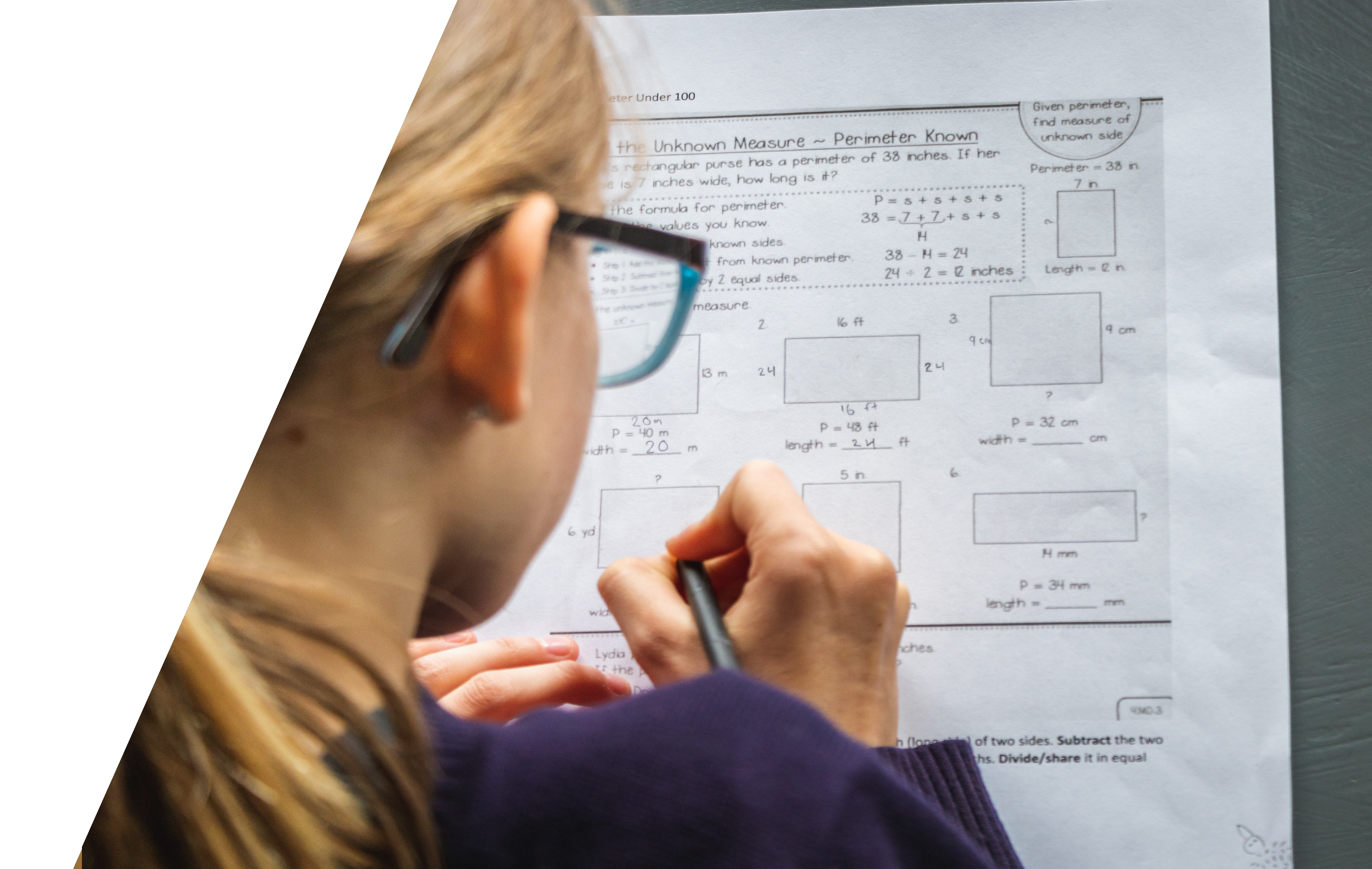
At Actualise Learning, we employ a range of strategies to produce educational audits and student assessments in partnership with teachers.
- Clear Learning Goals and Standards
We help establish clear learning goals and standards that define what students are expected to know and be able to do. These goals and standards serve as benchmarks for assessment and provide a framework for evaluating student progress and achievement.
- Variety of Assessment Methods
Use a variety of assessment methods to gather comprehensive information about student learning. This can include formative assessments (e.g., quizzes, observations, class discussions) and summative assessments (e.g., tests, projects, presentations). Different assessment methods provide different perspectives on student performance and help paint a complete picture of their learning.
- Align Assessments with Learning Objectives
Ensure that assessments are aligned with the intended learning objectives. Assessments should directly measure the knowledge, skills, and understanding that students are expected to acquire. Aligning assessments with learning objectives helps gauge whether students are meeting the desired outcomes and provides meaningful feedback for improvement.
- Authentic and Real-World Assessments
Incorporate authentic and real-world assessments that simulate or reflect the types of tasks and challenges students will encounter beyond the classroom. This could include problem-solving tasks, project-based assessments, case studies, or simulations. Authentic assessments promote deeper understanding, critical thinking, and application of knowledge in practical contexts.
- Continuous and Formative Assessment
Implement ongoing formative assessments to monitor student progress and provide timely feedback. Regularly assess students' understanding, identify learning gaps, and adjust instruction accordingly. Formative assessments can be informal, such as class discussions and check-ins, or formal, such as quizzes. Continuous assessment allows for immediate intervention and promotes a growth mindset among students.
- Self-Assessment and Reflection
Encourage students to engage in self-assessment and reflection on their own learning. Provide opportunities for students to evaluate their own work, set goals, and identify areas for improvement. Self-assessment fosters metacognition, ownership of learning, and helps students become active participants in their educational journey.
- Individualised Assessment
Recognise that students have diverse learning needs and styles. Provide accommodations and individualised assessments to ensure all students can effectively demonstrate their knowledge and skills. This may involve modifications to assessment formats, extra time, or alternative methods of expression to account for students' unique circumstances.
- Data Analysis and Feedback
Analyse assessment data to identify trends, patterns, and areas of strength or weakness. Use this data to provide constructive feedback to students, inform instructional decisions, and design targeted interventions. Data analysis helps identify areas that require additional support or enrichment and guides instructional planning.
- Communication and Collaboration
Encourage open lines of communication with students and parents to share assessment results, progress updates, and areas for improvement.
Progress Tracking
In order to see the impact of any interventions or provision, we provide tools to track progress and impact.
Providing progress tracking for teachers in any school setting is essential to monitor student performance, identify areas of improvement, and make informed instructional decisions.
Actualise Learning provides progress tracking for teachers in the following ways:
- Formative and Summative Assessments
- Data Collection and Analysis
- Progress Reports
- Individual Student Profiles
- Communication and Collaboration
- Individualised Support and Interventions
- Data Visualisation Tools
- Ongoing Reflection and Adjustment
- Wellbeing Assessments
To access the strengths and areas for improvement across the whole school in relation to wellbeing, we provide a wellbeing audit service. This will help teachers access what is working well and where extra support or provision could be put in place. We can then help put together an action plan as well as provide access to a plethora of services, interventions and individualised provision to bring about a positive change.
Here is a list of wellbeing topics requested by teachers for assessment/audit in the classroom – pupils were measuring their own ‘perceived’ status in ‘present time’ over a 6 week period.
- Anxiety
- Self-esteem / confidence
- Resilience
- Positive mindset
- Considerations to others
- Non-judgement
- Trust
- Choices
- Influences
- Patience
- Empathy
- Self esteem
- Resilience
- Happiness at school
- Friendships and social skills
- Emotions
- Psychological wellbeing
- Exam stress
- Positive Psychology
- An introduction to psychology
- Emotional health and wellbeing
- Emotions and Feelings
- Stress and Anxiety - how to cope
- Mindfulness and positive affirmations
- Resilience
- Stress and anxiety
- Anger and anger management
- Positive Psychology
- Art Therapy
- Emotional Literacy
- Dealing with emotions
- Self-strategies to support students mental health
- Dealing with Friendship Issues
- How to regain lost motivation
- Low mood
- Academic issues
- Harassment
- Hate crime

Fingerprint
Our fingerprint service provides a range of lessons or workshops which help a teacher to develop a comprehensive overview of a child’s wellbeing and learning behaviour strengths, as well as providing the student with a range of strategies to develop in these areas. The different units of analysis and learning that are available are as follows:
Emotional Wellbeing (two weeks) – these sessions to establish level of emotional literacy and understanding and the development of strategies to enable emotional check-ins and individualised regulation strategies.
Memory implanting (two weeks) – these sessions allow what we know about neuroscience to inform how we support students in learning new things. Our analysis allows the child’s individual profile to be established – creating a picture of what strategies and senses work best for them when remembering new concepts. The workshop will then include supporting the student to apply this understanding to their learning and development.
Closing gaps in learning – These sessions allow real time brain analysis during activities to establish where there are possible gaps in learning and the processing of information which could then be developed. A.I. is then used to create intervention and detailed analysis leading to academic progress.
Phonics and Cognitive Science – Sessions to develop reading and comprehension skills, based on individual analysis and learning to fill any gaps or misconceptions.

Learning Preferences through stem
This service allows a detailed analysis of each pupil, including which areas of STEM most interest an individual, but also where their skills lie.
We then provide a detailed analysis, which leads to a series of lessons or support to build on these interests and skills. This allows students to develop their own passions and also their general learning skills by focussing this on a specific area of interest or proficiency.
This is suitable for those looking to provide students with a unique learning experiencing that is student led or for those at home wanting to see a child grow and develop in an area of interest that they have.

Matching pupils’ preferences
This product uses up to date technology to gather information about the individual learning preferences of each child; it detects what draws the child’s attention and also what sustains it. This process provides customised activities to meet the child’s learning needs and can be also used to provide a context for learning if a child has a particular interest that captures their attention. This might be particularly helpful for those children on the autistic spectrum.
We can provide a whole range of learning activities, based within one topic, regardless of its specificity enabling the child to learn in a way that suits them.
App that detects if pupils have little learning concentration
The change in pace and content of what children watch has led to a decrease in children’s concentration. We have a range of applications specifically designed to recognise when a child might struggle to concentrate and then can provide pointers as to why this might be. These applications also have educational programmes and specific activities designed to educate, as well as improve concentration.
Here is an example of what a simple assessment could look like as part of a wellbeing enrichment exercise in your school:
Primary school intervention - Emotional, anxiety and resilience awareness
Exercises for the children to measure their emotional temperature -
- Rate how they are feeling at different stages of the workshop
- Level of satisfaction or stress in each exercise situation
- Heartbeat measuring exercises
Here are examples of wellbeing themes requested by parents for assessment -
- Healthy body, healthy brain
- Nutrition and diet
- Healthy body healthy mind
- Stress and anxiety
- Mindfulness
- Meditation
- Self-care strategies
- Supporting students with anxiety
- Building resilience with students
- Exam stress
- Self-harm
- Depression and anxiety
Here are examples of STEM enrichment themes requested by teachers for assessment -
- Lava lamp making
- Magic tricks
- Flower arranging
- Perfume making
- Marine Biology
- Genealogy
- Robotics
- A.I (Artificial Intelligence)
- Aerospace
- Aviation
- Archaeology
- Astrophysics
- Biotechnology
- Cardboard Engineering
- Cosmology
- Galactic Science
- Glaciology
- Ecology
- Genetics
- Life Science
- Climatology
- Neuroscience
- Oceanography
- Linguistics
- Chinese Mandarin
- Nutritional Wellbeing
- Financial Management
Visual Arts themes
- 3D Design
- Animation
- Calligraphy
- Fashion Design
- Filmmaking
- Fine Art
- Visual Effects
- Photography
Assessment - preliminary questions for teachers
- Ages of students
- Pre-existing knowledge of the theme to be explored
- Why do the students want to learn the subject?
- Capability of pupils (higher ability / lower ability)
- Considerations for complementing this specific topic of enrichment study at school
- Measuring the status in ‘present time’ - before and after learning experience
- Ways of improving each learning experience, after measurement has been done
By implementing these strategies, we work with teachers to deliver interventions that support learning by providing valuable feedback, informing instruction, and promoting student growth and achievement.

Applied Behaviour Analysis
This service provides an in-depth analysis of a child’s behaviour and learning preferences and areas for development.
Based on this analysis, professionals will provide you with a range of interventions and support strategies to allow the individual to access the learning environment and their own learning effectively. This can be used by professionals in an educational setting or by parents in the home setting.

Assisted Neuroscience devices
This service provides schools or parents with delivery program workshops, as well as physical products, which support the development of an individual’s learning styles and preferences in order to see more effective learning.
We provide the products to use alongside workshops to ensure their effective use and are purchased so that the student can keep using the products after the delivery.

Brain Health Assistant
The Brain Health assistant captures information from a student in the following areas:
- Age,
- Pre-existing knowledge
- Why do the pupils want to learn the subject?
- Capability of pupils (higher ability / lower ability)
- Considerations for complimenting a specific topic of study at school
This service then provides specific interventions, lessons or workshops with an individualised focus in order to support overall wellbeing and mental health.
These areas include:
- Art Therapy
- Psychological Wellbeing
- Positive Psychology
- Learning and memory
- Mental health and mental illness
- Happiness at school
- Self-esteem
- Gratitude
- Feelings
- Coping skills
- Thinking errors
- What is worry?
This enables the student to grow in autonomy in developing strategies to support their own Mental Health and Wellbeing.

Measurement Wellbeing Tool
The Measuring Wellbeing Tool allows the measurement of pupils wellbeing to be measured with a variety of constructs including: facial expression, vocal expression, bodily posture as well as others.
This allows a baseline of the student’s wellbeing to be established and then using these constructs teachers or those working with the students can measure wellbeing at different points in the day and on different days. This allows patterns to be established and effective interventions to be put in place.

Pre-emptive learning
These products use up to date technology to gather information about how individuals learn and what helps them learn best.
This is done by monitoring the physiological and cognitive environment that leads to optimal learning. Those delivering the learning are then informed and provided with strategies to help each individual learner be in that state and be ready to learn.
This also informs educators and facilitators about what learning would be best next to fill any gaps in learning.
Personalised Reading Route
This product uses up to date technology to gather information about the strengths and weaknesses of individuals, as they read. It gathers information about accuracy and fluency and what specific areas they need support with; it then provides the teacher with a detailed outline of what needs to be worked on. The technology will also create texts for the student to read that feature their specific area that requires development – this helps to support the analysis of reading, accurate intervention and ongoing monitoring.

Providing an assistant service for teachers to help teachers with pupil emotional imbalances
This service allows pupils to have support with emotional regulation, in order that they can access learning.
Support can be provided in a bespoke way, either in person or online, depending on the needs of the child.
This support will use different interventions, tools and strategies to equip the student with a range of strategies to regulate their emotions.
This service can also provide coaching for those living or working with the student to support them in an effective way.
'Classroom ready’ Resources
We have a range of ready to deliver and individualised enrichment workshops to support young people with mental health and wellbeing and STEM topics.
Privacy of
personal information
We take the collection and protection of personal information and data very seriously. We have established procedures and a policy for managing information which are observed by our committed team. Please see full details of our privacy policy here.
Build your own Curriculum
To connect with us to take the next steps towards customised enrichment for your school.